Tuesday, July 10, 2012

Facial Wrinkle Reduction

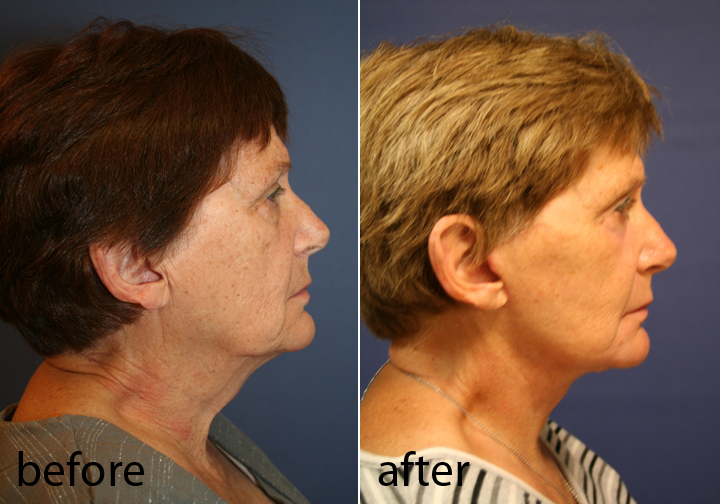
New Anti-Aging Skin Serum Reduces the Effects of Father Time: A Dermatologic Plastic Surgeon, Dermatologic Pharmacologist and their Aesthetic Team have spent the last 20 years in the extensive study of anti-aging and anti-wrinkle research and treatments.This research has resulted in the development of a clinically-tested product to drastically reduce skin wrinkles by tricking aged human skin cells into regenerating themselves by replacing old damaged skin collagen with newly reformed collagen. Dr. Joseph Rucker, a board-certified plastic surgeon has developed the Tri-peptide Cell Activator, which also embraces stem-cell technology. This serum has been tested in clinical trials and has demonstrated an ability to:

  • Significantly reduce skin wrinkles                            
  • Improve skin texture
  • Reduce pore size
  • Produce a healthy, youthful glow

before                                         after
This exclusive formula developed by Joseph W. Rucker M.D. F.A.C.S contains:

  • Palmitoyl Tripeptide-3 (a powerful collagen cell activator)
  • Stem Cell: rare swiss Apple extract
  • Resveratol: One of the most powerful anti-oxidants available
  • A pH balanced formulation to improve penetration and performance
“After utilizing, testing and formulating multiple wrinkle-reducing formulas, this product has significantly surpassed my patient’s and my own expectations.”  Joseph Rucker M.D. F.A.C.S
Testing of the Tri-Peptide Cell Activator was done with the assistance of a carefully chosen patient group under the strict guidelines of usage and follow-up evaluation. All patients tested noticed a significant improvement in skin texture and wrinkle reduction. Below is the experience of one of Dr. Rucker’s patients.
“I was a trial patient for the wrinkle-reducing serum. I used the serum for four months and came in every three weeks to have pictures taken to document the results. I was very happy with the results, especially after seeing the “before and after” pictures! I received many compliments - even questions about “going under the knife”! However, the trial ended and Dr. Rucker indicated the product would not be available for four months. After I stopped using the product, I began noticing quite a dramatic increase in wrinkles on my face (especially around my eyes)!  I went into Dr. Rucker’s office to see if the cream was available. The staff looked at me and almost gasped at the increase in wrinkles and general haggard look around my eyes.  I am using another product from Dr. Rucker and am hoping to be the first one to purchase the incredibly effective wrinkle-reducing serum when it becomes available.”


Sandy Hume

January, 2012

For more information and to purchase the Tri-Peptide Cell Activator visit enza.com

Profiles Summer 2012 is here!

Profiles Summer 2012 is here! 
Click here to read on: 
  • Spot-free skin
  • What's really to blame for aging skin?
  • Pelleve wrinkle reduction system
  • Mommy makeover
  • Can you get a tighter tummy?
  • Top running foot injuries in women
  • Creating the perfect smile
  • Raising the bar with Crossfit

Tuesday, July 3, 2012

The 7 Reasons Your Skin Care Line Doesn't Perform

Having Skin in the Game--
Why are we all so disappointed?


The skin care industry is a multi-billion dollar business estimated to be worth $43 billion per year in the United States alone. Whether you get your products at the drugstore, department store, online or at your physician’s office you can be sure that every potion and lotion is promising youth in a bottle. Most don’t make good on that promise. If your trusted skin care line is no longer effective, it’s not your imagination. Here are the 7 good reasons why it might not live up to the hype. 
What’s in the pretty bottle?                                                                                                             
Keep in mind that the amount of money spent on marketing a product often eclipses the cost of the ingredients. There is a distinct difference between highly promoted products that rely upon packaging and national campaigns vs. those born of clinical testing and analysis of proven results. All products should be tested to the highest standards to ensure their effectiveness and safety prior to release to the public. Ingredients are not all created equal. Pharmaceutical grade skin care offers ingredients in strengths not available on the mass market.   
Type casting: Poor product to skin match is more than skin type
Do you have dry, oily or combination skin? The answer might not get you to the best product. It makes sense that matching the correct product with the patient is the key to good results. Skin type certainly plays a role in product choice but it is not the primary determinant we’ve all been led to believe. Over the course of my career, I have found that lifestyle, age, priorities, nutrition, genetics, environment all trump skin type. Your specific “profile” will play the starring role in developing a skin care regimen that really works.  Do you see yourself in any of these profiles?
  • Athletic Teen with Acne
  • Outdoor Active Teen on Acne Medication
  • Active Senior Receiving Medispa Treatments
  • Stressed Young Mother
  • Middle-Aged Athlete Experiencing Early Signs of Aging
  • Sun-Worshipping Senior with Dry Complexion
  • Middle-Aged Rosacea Sufferer
  • Expectant Mother with Hormonal Acne
  • Menopausal Woman with Occasional Breakouts
  • Early 30s Woman Developing Fine Lines
Detailed information on the various profiles and their recommended treatment plan,  can be found on enza.com 
Riding the hormonal wave? 
It doesn’t seem fair but hormones through life significantly affect the quality and elasticity of skin. Your skin may be oilier due to an increase or instability in hormones during puberty, pregnancy, or menopause. As skin ages, it produces fewer natural moisturizing oils in part due to a decrease in hormone production. Think about three women, all 30 years old. One is discovering fine lines and taking birth control pills, another is pregnant and the third is a stressed young mother. Each woman will need different skincare despite their ages being the same. All have a hormonal component that must be considered when prescribing products.     
Environmental warning—
The environment in which you live, work and play can influence your skin. Where you live, where you vacation and seasonal changes each have their impact. Your current routine may work perfectly in the summer but turn ineffective or even harsh in the winter. Cold weather brings lower levels of air moisture, which can produce drier skin. A change in climate may affect the dryness of your skin.  Dry Southwestern climates are obvious causes of dryer skin changes because the heat can actually bake moisture out of your skin.  During hot summer months, in more humid climates your skin may be more prone to retain excess oils, especially if your skin is naturally oilier. When skin doesn’t retain moisture, you need a heavier moisturizer and a creamier cleanser. Conversely, in humidity choose lighter products — like a gel or foam cleanser and a lotion instead of a cream.
Letting it all sink in…
Regardless of the effectiveness of a product, it will be of little help if the ingredients are unable to penetrate into the skin. Absorption problems can block even the best skincare lines. The pH balance of the product is one of the most important factors—it must be in a specific range to not only allow, but promote absorption. When an invisible, unintended barrier is challenging the product, you’ll get a less than optimal result because the deeper collagen layers are never reached. This is the most important reason that our ENZA skin care line is in a league of it’s own.
Routine exfoliation allows topicals to better penetrate the skin and maximize their effectiveness. Cleanse first to wash away impurities and then exfoliate to remove dead skin cells and draw out impurities in congested pores. Good exfoliation reveals the softer, smoother, more evenly toned skin underneath. Exfoliation can be mechanical e.g. skin brushing with a device or chemical in the form of facial peels. Depending upon your needs Enza offers seven product suites.
Two examples include preventative care and reverse aging care. In the former we suggest using the lightweight Sustaining Cleanser to lift away dry cells and smooth wrinkles, followed by the Cool Sustaining Toner to restore a natural glow. The final Sustaining System product, Fine Facial Polish, should be used two to three times per week to exfoliate and absorb acne-causing oil. Complete your daily routine with the Sustaining Glow Crème to polish away discoloration. In the latter case, the Enza Essentials Saturation System including the SaturationCleanser, Saturation Toner and Herbal Crème is a great daily regimen.  Two to three times per week use the gentle Saturation Aloe Scrub to help reverse the signs of aging.
Know your brand and stick with it!
Good skincare requires commitment to both a regimen and a product line. There’s an advantage of staying true to your brand. The best products work synergistically so you get more out of standardizing on a brand you trust than “playing the field.” That free bag of cosmetic samples is very seductive but soon you’ve tried so many brands it’s difficult to say if any really had any impact on your skin. You must also commit to daily use for at least 4-6 weeks to see results. Consistency and commitment are the name of the game. Consulting with a physician or a certified skincare expert is the best starting point so you know the time and money spent will be worthwhile.  
Your lifestyle is written all over your face.
Leading a healthy lifestyle is as integral a part of having great skin as using good products. You can use the best products in the world, but if your habits are unhealthy, your skincare probably won’t work. Getting too little sleep, smoking cigarettes, drinking too much alcohol will compromise any attempt at healthy skin. Poor nutrition in the form of excess carbs, fats and sugars also robs the skin. Likewise, skipping sunscreen, sunbathing or tanning indoors, interferes with your product’s potential benefits.  In closing when contemplating a new skin care direction chose wisely and consider all of these important listed points.   

Joseph W.Rucker M.D.

For more information, check out my websites at www.enza.com and www.ruckermd.com


Monday, July 2, 2012

Breast Augmentation

Many females with small breasts are dissatisfied with their body image. Breast Augmentation (augmentation mammoplasty) is a procedure designed to enhance fullness by enlarging a woman’s breast through the surgical placement of a breast implant.
The primary goal is to:
• Enlarge a naturally small breast, which is often an an inherited condition
• Restore breast volume lost following a pregnancy or weight loss
• Achieve better symmetry when breasts are moderately disproportionate in size and shape

Augmentation mammoplasty, also referred to as breast enhancement or breast enlargement, involves placing silicone or saline breast implants either behind the breast tissue (illust. B) or beneath the chest muscle (illust. A) to add size, shape and fullness to the breast and to make the body more proportional.
Implant placed behind the chest
wall muscle.
Implant placed above the chest
wall muscle. 

Breast augmentation does not correct sagging breasts. Women who desire to improve contour as well as increase fullness, may want to consider a breast lift in conjunction with breast augmentation.
The best candidate: Adult woman of any age can benefit from breast augmentation. It is recommended that breasts be fully developed prior to the procedure. Breast augmentation does not generally interfere with a woman’s ability to breast feed. Good candidates for breast augmentation are defined as:
• Women who have a personal desire for enhanced breast size; not influenced by the opinions or desire of others.
• Healthy women who do not have a life-threatening illness or medical condition that can hamper healing.
• Women with a positive outlook and specific goals in mind for improving their own body image.
All patients will need a pre-operative consultation to review their medical history and perform a physical examination to determine if they are indeed, a candidate for the surgery. During this consultation, the procedure, recovery, expected outcome and possible risks or complications are discussed.
The Procedure: Breast augmentation is performed under a general anesthetic on an Out Patient basis. In the preoperative area, any last minute concerns are discussed and the chest wall is carefully marked to ensure accurate implant placement. Although there are several ways to insert the implant, I prefer to make a small (2-inch) incision beneath the breast. The implant is then placed behind the chest wall muscle. (illust. A) I prefer this approach for several reasons:
• It is easier to develop the pocket to house the implant
• To avoid the nerve which gives sensation to the nipple
• No nipple areola distortion, which may occur when placing the entrance incision around the nipple.
• Placement of the implant behind the chest wall muscle gives a more natural look.


The procedure takes approximately one hour. A support bra is then placed on the patient and they are discharged home, usually 2-3 hours after the procedure.
                                                before                                                 after
                                               before                                                 after

Breast Implants: The implants differ, being filled either with saline (salt water) or silicone gel and come in varying sizes and shapes. In my experience, 80% of our patients prefer the feel and shape of the silicone.
Recovery Time: Most patients rate the pain level as a 5 on a scale of 1 to 10. Patients are given written instructions and prescriptions for pain control and an antibiotic. Light activity is tolerated well in the first week. We see the patient one week after their procedure, when dressings and sutures are removed, recovery and activity levels are reviewed and an anticipated date for returning to work is discussed. Light employment is tolerated after two weeks, heavy lifting and regular activity in 3 to 5 weeks. Patients are given instructions for care of sutures to help prevent excessive scarring. A final consultation is scheduled five months after their procedure.

Patients are happy with breast augmentation and often experience an increase in self-esteem and confidence. Most go from an A or B cup to a C plus cup after the procedure. You may review pictures of breast augmentation cases at ruckermd.com.
Visit Dr. Rucker on RealSelf for answers and tips to the following questions:

2 Days After Mastopexy and a Breast Augmentation; Hematoma Maybe Seroma?
Are my Expectations Possible for Breast Size/Look?
What Size Would You Be For My Frame to get From B to C?
Are my Breast Implants Too Close Together?
Breast Lift or Just Nipple Reduction?

To schedule an appointment or for information regarding breast augmentation, visit www.ruckermd.com or call 800.456.8222 or 715.833.2116

Mommy Makeover

Childbearing can be one of life’s most rewarding experiences, but it can also take a toll on the mother’s body, often causing women to lose their hourglass figures. Each woman is affected differently, with age and genetics playing a significant role in how her body recovers. Even with the assistance of a personal trainer and a proper diet plan, both of which I strongly recommend, many women may find it difficult to get it all back together after pregnancy. This can cause a dilemma for mothers. They may feel guilty for thinking about themselves at a time when they feel they should be focused on their family. Many of our patients find that it’s essential to focus on both.

They want to feel good, look youthful and sexy and regain their self-confidence. They realize that having a positive self-image can also improve their relationships with loved ones.

Mrs. M, now 38, didn’t like her shape after pregnancy. “I lost fullness up top, I had badly stretched skin and nothing was where it was supposed to be, even though I was doing endless sit-ups,” she said. “ I just wanted my body back.”
A Mommy Makeover is a combination of plastic surgery procedures that may include a breast reduction or breast lift (with or without breast implants), a tummy tuck and liposuction. These procedures lift and tighten slackened skin and reduce the unwanted, hard to remove pregnancy fat.


Before
After

Breast Reduction

This procedure has been helpful for women with large pendulous breasts who have medical problems caused by the excess weight of the breasts, which can often occur after pregnancy. These problems can include:
• Back and neck pain
• Skin irritation beneath the breast
• Skeletal deformities
• Bra strap irritation
• Breathing problems
• Occasional tingling sensation in the hands

The goals of breast reduction are to:
• Make your breasts look balanced when you are wearing a bra
• Regain your younger breast contour
• Reduce the size of the nipple areola to fit the smaller breast size
• Reduce the overall breast size to reduce the associated symptoms and to make the breast proportional to the rest of the body
Breast reduction is performed in a hospital under general anesthetic. Care is taken to make the breasts symmetrical and to preserve sensation to the nipple, as well as, hopefully, the ability to breast feed. Both of these goals are addressed by leaving the nipple areola attached to a pedicle of breast tissue. Through this pedicle run the nerves and vessels that help preserve sensation and a good blood supply to the nipple areola.
All incisions are closed under limited tension, resulting in a smaller breast and areola and a lifted breast contour. We have found that if symptoms are well documented, most of these procedures can usually be covered by insurance. Please visit my website, www.ruckermd.com, to view before and after pictures of breast reduction patients.

Breast Lift
You’ve nurtured your children, now, your body could use a little help getting back to normal. Stretched and sagging breasts are common after child rearing. The breast lift (mastopexy) has become one of the most requested procedures in plastic surgery, with approximately 100,000 breast lift procedures performed in the U.S. in 2007.

Over time, a woman’s breasts lose their youthful shape and fullness. These changes may be the result of pregnancy, breast-feeding, weight fluctuations, aging and the natural effects of gravity. Heredity can also contribute to breast sagging. Many women are born with poor skin elasticity resulting in a loss of breast firmness.

A breast lift raises and firms the breast by removing excess skin and tightening the surrounding breast to reshape and support the new breast. The nipple areola may become enlarged over time. A breast lift will reduce the areola to place it in better proportion with the newly shaped breast. The goals of the breast lift are to improve a female breast that:
• Sags or is pendulous, but is proportionate with the body frame
• Has lost firmness and skin elasticity
• Has a flatter elongated shape
• Has a nipple and areola that point downward
As with breast reduction, we do not detach the nipple areola complex during a breast lift, in an effort to maintain nipple sensation later. It has been my experience that most patients want to be a “perky ‘C’ cup” after a breast lift. This is an outpatient procedure when performed by itself.

Liposuction 

After pregnancy, unwanted, fat deposits on the hips, thighs, abdomen and buttocks can be extremely difficult to remove, even with an exercise and dietary program. Liposuction can be performed on any part of the body to remove fat deposits and sculpt a more pleasing contour. This procedure is best for someone of normal weight with good skin tone. Several areas can be reduced at the same time. Because the fat cells are permanently removed, the bulge cannot come back in that place. Your new figure should be a motivation to exercise and be mindful of a healthy diet. Liposuction is usually performed on an outpatient basis under general anesthesia, taking approximately 1-3 hours. Body contouring procedures are considered cosmetic and not covered by insurance.

Tummy Tuck (Abdominoplasty)

The human body is more like plastic than rubber. Childbirth may leave you with loose abdominal skin and stretched abdominal muscles. The tummy tuck (abdominoplasty) procedure helps to flatten your abdomen by removing excess skin and fatty tissue. Tummy tuck should not be confused with liposuction, although your surgeon may elect to perform liposuction to improve the overall results.
Tummy tuck is the recommended treatment for sagging or projecting lower abdominal wall tissues. Good candidates are women who have muscles and skin stretched by multiple pregnancies, and men and women, who, after massive weight loss, still have excessive fat deposits or loose skin in the abdominal area. The procedure is usually done as an outpatient under a general anesthetic and will take 1-2 hours. 


There are several options for tummy tuck.

Your surgeon will examine you and then discuss your desired results and the anticipated outcome for each.
Complete abdominoplasty. The incision is made in the lower abdominal wall area, from hipbone to hipbone. Excess tissues beneath the umbilicus (belly button) are removed and the scar is hidden beneath the panty line.
Belt abdominoplasty is usually for patients who have lost a considerable amount of weight. The laxity of the skin and fatty tissues occurs on the abdomen and around to the back requiring a circumferential excision of these tissues to get the best result.
Partial or mini abdominoplasty is often performed on patients whose fat deposits are located in a small area beneath the belly button. This procedure can be done in the office with IV sedation.

What are the risks of having multiple procedures?

Several studies have found that the combined Mommy Makeover procedure was not significantly more risky for the patient than a single procedure would be. It is important to stress that these procedures are best performed by Board Certified plastic surgeons at a fully-equipped surgical facility. I believe that the best way to avoid complications is to select my patients carefully. We try to avoid performing these procedures on patients with any significant medical problems that may compromise their recovery.

The benefits to the patient of performing multiple, carefully selected procedures as opposed to several separate procedures are:
1. A reduced overall time under anesthetic
2. Downtime for recoveries can be combined, especially when time away from work and other responsibilities is an issue
3. Reduced cost for combined use of surgical facilities, 
anesthesia, and medical staff.

Wednesday, June 27, 2012

What to Know About Facelifts

Patients can be confused by the different procedures offered. Just the word "facelift" can be intimidating, because it implies that the whole face is lifted. In the majority of limited-facial procedures that I have performed the main objective has been to produce a more natural result. My goal is to make the patient look like a younger version of themselves. It is imperative that the patient not look done after the procedure.

It is important to consider:
• The specific areas that you want to improve
• How much time you have for recovery
• Your expectations for post-facelift appearance


Types of Facelift Surgery

Lower (Standard) Facelift: Rejuvenates the lower third of the face; tightening the face’s underlying structures that slacken with age, forming jowls and a fleshy neck. The procedure trims excess skin, smoothing it to eliminate facial creases, giving a visual lift to the bottom third of the face.
Mid Facelift: As people age, the cheeks and eyelids tend to sag. This procedure restores a youthful, rested look to the lower eyelids and cheeks.

Mini ’Weekend’ Facelift: Performed quickly with a shorter recovery period, the procedure enhances key facial areas. However, the ’weekend facelift’ is a minor surgical procedure. Results are much less impressive than a standard facelift.

Thread Facelift: This approach is much less invasive. and has come under criticism for not producing the results as promoted. I do not offer this technique because of the questionable level of improvement.

Non-surgical alternatives to surgical facelift: These include laser facelift, dermal fillers, liposculpture of the face and neck and the products in our Enza Essentials skin care line that firm and tone the skin.
For more information, please visit our website at www.ruckermd.com. Feel free to leave a comment and visit our Facebook page at www.facebook.com/ruckermd.

Monday, June 25, 2012

Rhinoplasty: The Two Types

I hate my profile
My nose is too large for my face
I hate this hump on my nose
The tip of my nose is too large

These are the most common patient complaints regarding the appearance of their nose.

Nasal surgery has become more popular in recent years because the nose is the most noticeable facial feature. We can often disguise protruding ears with various hairstyles and soften the appearance of our eyes with makeup, but our unwanted nasal features can’t be hidden or disguised. In the 500 Rhinoplasty procedures that I have performed, I have employed a conservative approach.  This method avoids the dreaded “operated on” or “done” appearance.


There are two types of Rhinoplasty procedures. The first is a reconstruction of the nose that has been disfigured by injury or has become damaged from disease, such as skin cancer.  I like to categorize this type of procedure as a functional Rhinoplasty.  The procedure is performed to relieve such symptoms as a complaint of the inability to breathe through one or both nostrils and the associated complaints of excessive mouth breathing or headaches.
The disfigurement of the nose is most commonly caused by some traumatic event such as a sports injury.  This can result in a displacement of the partition inside the nose that separates one nostril from the other (nasal septum). The external framework can also be affected leaving the condition commonly called a twisted nose. The functional Rhinoplasty is often covered by insurance.
The second type of Rhinoplasty is cosmetic, with the ultimate goal to produce a better appearance of the nose. I refer to this second type as an aesthetic Rhinoplasty. Because this is a purely cosmetic procedure, it is not covered by insurance.


If a functional Rhinoplasty is to be performed, a preoperative evaluation and detailed history of any injury is taken and the nose is examined to determine the degree of nasal airflow impairment.  The internal nasal partition (nasal septum) is examined for any signs of displacement. The external framework is also examined to determine any displacement of the nasal bones, which can often happen after a nasal fracture. 

In the case of an aesthetic Rhinoplasty, I feel the most important aspect of the initial consultation is to determine whether the results of the procedure can realistically meet the patient’s expectations.  Difficulties can arise when a patient states, “I want my nose to look exactly like this” and presents me with a picture of a celebrity.  This type of result is often not realistic because other facial features contribute to the nasal appearance and the nasal framework may not allow a specific result.   However, certain characteristics of someone else’s nose may be incorporated into each individualized Rhinoplasty.  

The procedure is often done in our office operating suite with a local sedation anesthetic.  It is an outpatient procedure and takes about two hours.  Most patients rate the pain as a 5 on a scale of 1 to 10.  The vast majority of incisions are hidden inside the nose and a nasal splint is left in place for one week.  Recovery time is reasonable and most patients are socially presentable in 8 to 10 days. Eighty percent of the swelling has resolved within ten days, with the remainder reducing over a two month period.  Complications are rare, but may arise. The more common ones are infection, asymmetry, scarring and bleeding.  

The Rhinoplasty procedure can be a positive method to address a twisted nose or concerns about one’s nasal appearance.  It is my recommendation that a less aggressive approach is better and patient expectations must be fully evaluated.